Facility distribution, athlete activation, strategic media, community engagement. The four pillars — and why brands that lean on only one pay for the other three later.
Most brand activations in pickleball lean on one pillar and call it a strategy. They sign an athlete and wait for the sales lift. They run a tournament sponsorship and book the impressions into a deck. They buy a banner at a regional event and call the year done.
None of those are wrong on their own. They’re just thin. Pickleball doesn’t move on one pillar because pickleball doesn’t live in one place. A player makes a buying decision in the pro shop, on a livestream, in a group thread, and at the lunch table at the rec center — sometimes all in the same week. A brand that only shows up in one of those rooms gets compared to brands showing up in all four.
The four pillars: facility distribution, athlete activation, strategic media, community engagement. Run them in concert and a brand stops feeling like a sponsor and starts feeling like part of the sport.
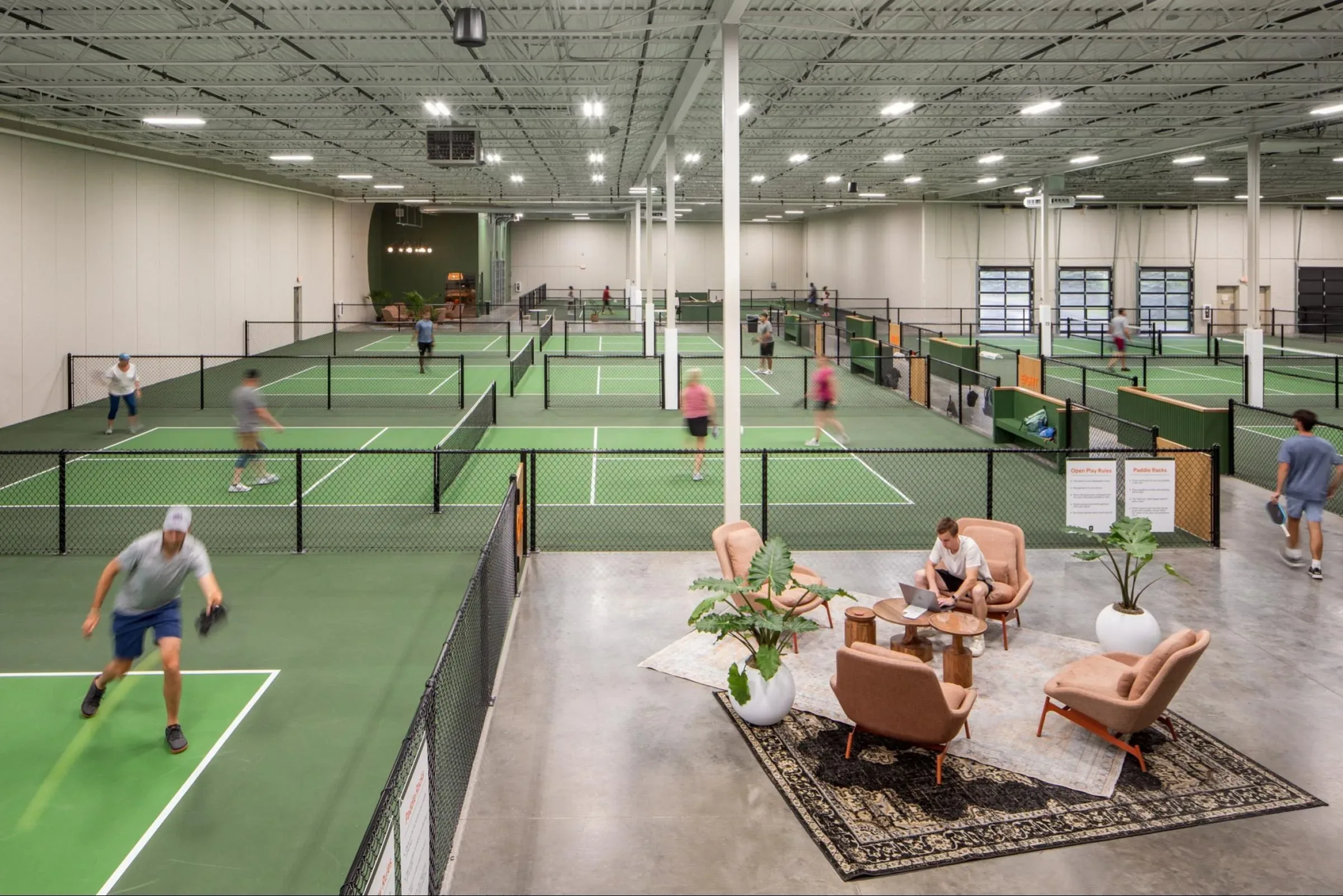
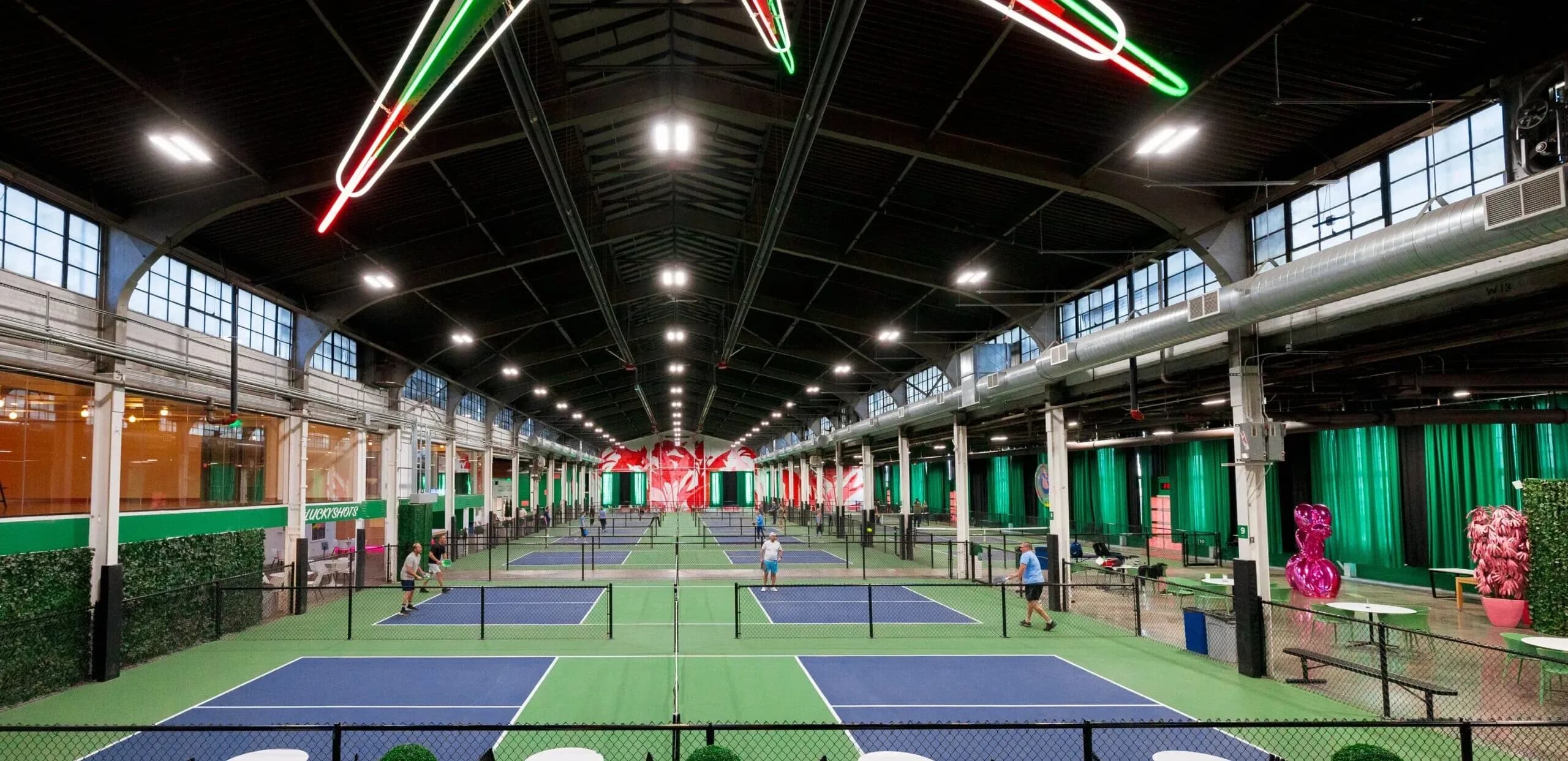
Facility distribution is the floor of the strategy and the part most brands underweight. Pickleball decisions happen in the rooms where people actually play — pro shops, member nights, group lessons, demo days. A brand with a real footprint inside partner facilities gets in front of buyers at the moment of decision, not three weeks later when an ad chases them down on Instagram.
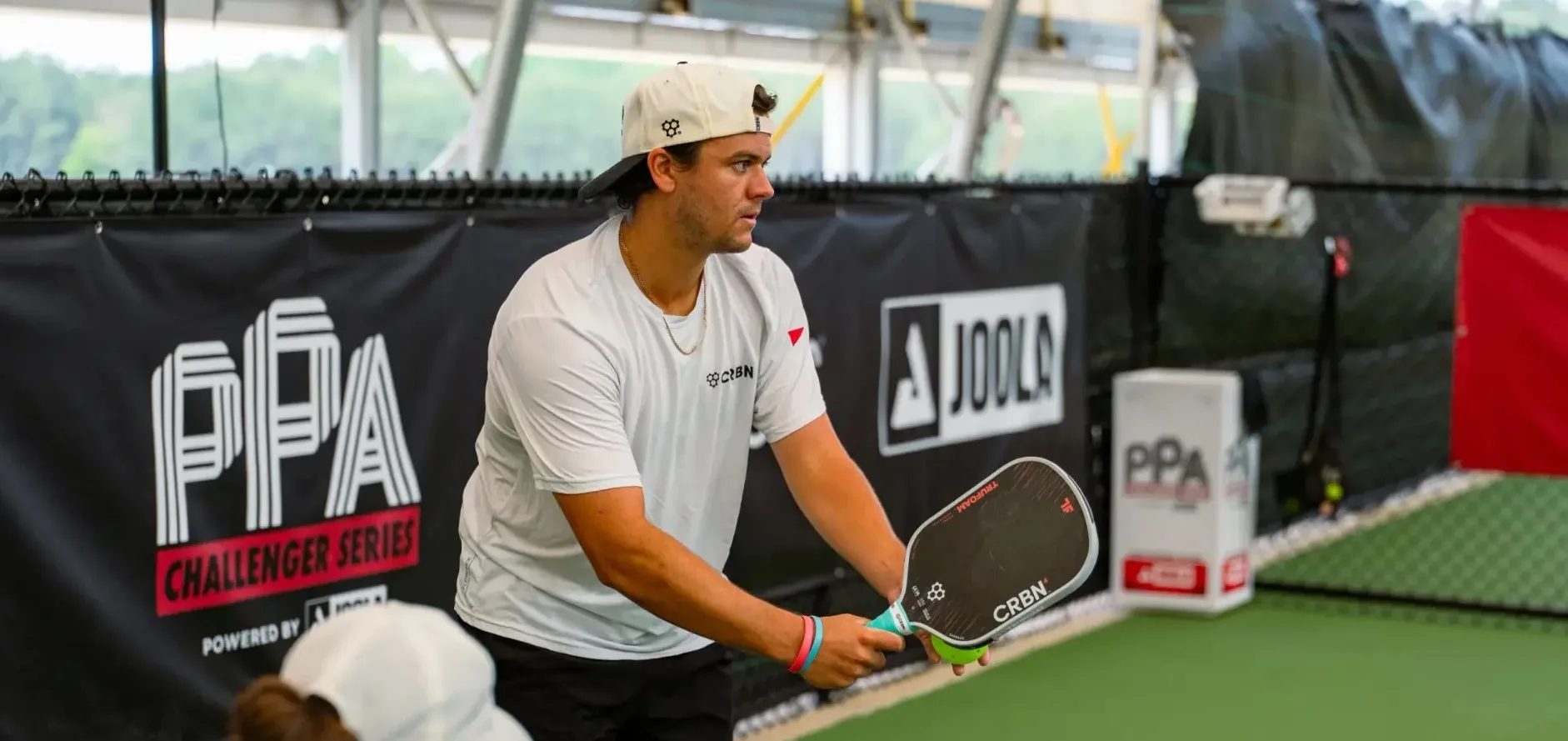
Athlete activation is where most brands start and where most brands stop. The mistake isn’t signing an athlete — it’s signing one and waiting. Our eleven athletes across four tours give a brand the audience leverage of a roster without the cost of one. The real work is using them — clinics, content, demo events, the small organic posts that look like an athlete who actually plays your gear, not one who got handed a script.
Strategic media is the part that turns “I think I’ve heard of them” into “I trust them.” Editorial placements, content series, podcast appearances, the occasional well-placed press hit. Not impressions for impressions’ sake — the kind of mentions that make a player believe the brand knows the sport, by the people who already know the sport.
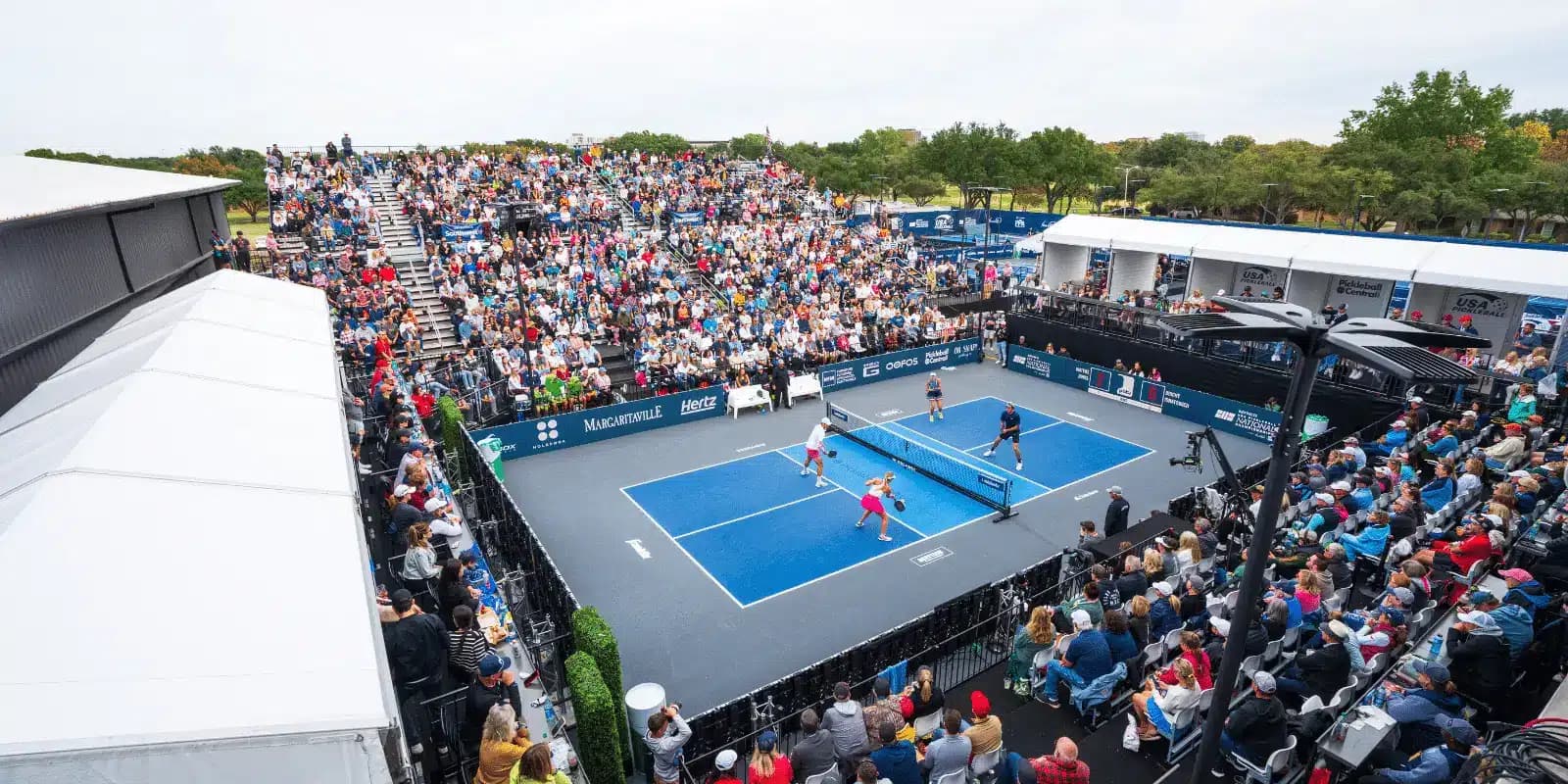
Community engagement is the pillar that protects all the others. Events, demos, sponsorship moments at the tournaments and clubs that matter. A brand that shows up at the player party in Naples and runs a clinic at the rec league in Boise builds the kind of equity that survives a slow product cycle.
The brands that figure this out stop looking for the “big campaign” and start running a portfolio. Two or three athletes in regular content rotation. A consistent presence in fifteen facilities they actually trust. A small but real editorial calendar. A few annual events. That portfolio compounds. The one-pillar-at-a-time approach restarts every quarter.
Peak is built around that compounding model. We’re the only partner most brands need across all four pillars, and we run them as one program rather than four contracts with four different vendors. Same team, same calendar, same accountable person on the call.
A practical version of this for a brand starting fresh: pick the pillar where you have the least native strength and build that one first. A direct-to-consumer brand probably has a story online but no presence in facilities — start there. A retailer that already sells through pro shops probably needs the editorial and athlete side built up. The four pillars aren’t a checklist to run in order. They’re a balance to look at honestly, fix the worst gap, and keep monitoring.
If you’re a brand evaluating pickleball this year, the question isn’t which athlete to sign or which event to sponsor. It’s which partner can run all four pillars in concert so the work compounds instead of resetting every quarter.
By Peak Pickleball Agency